Operations
How work actually gets done - including the friction, workarounds and dependencies that may not be visible from the top.
Technology
Whether systems genuinely support the organisation, its people and its objectives - rather than just adding more complexity.
Process
Where responsibilities, hand-offs, controls and information flows support the work or get in the way.
People
How roles, knowledge, behaviours and organisational structures affect what happens in practice.
Who We Work With
We work with senior leaders in established organisations where an important problem, decision or programme crosses the usual organisational and functional boundaries.
The organisation may be growing, changing, integrating acquisitions, replacing systems or dealing with operational problems that have become difficult to understand or resolve from inside one function.
The common factor is not sector or company size. It is complexity, and a need for experienced, independent judgement before more time, money or organisational effort is committed.
We are particularly at home in technical, regulated and service-led environments, with substantial experience across water and compliance, the built environment, software and technology.
We Help When...
Most problems that need us do not arrive neatly defined. They usually show up as symptoms.
Something important is not working as it should, but there is no clear agreement on why.
A significant technology, process or organisational change is being considered before the real requirement is fully understood.
People are compensating for systems or processes that no longer support the way the organisation works.
Several teams, suppliers or functions own different parts of the problem, but nobody has a clear view of the whole.
A programme or initiative feels stalled, overcomplicated or is failing to deliver the expected outcome.
You need an experienced, independent view before committing more time, money or organisational effort.
The starting point is not to assume the answer. It is to establish what is actually happening, what matters, and what the evidence says should happen next.
What We Do
Our work usually falls into four connected stages. You may need one of them or several, depending on the problem.

Understand
Establish what is actually happening before deciding what the answer should be.
We examine the evidence, speak to the people involved and look at the systems, processes and operational reality behind the problem.

Decide
Turn that understanding into clear choices.
We help define requirements, assess options, challenge assumptions and determine what needs to change before significant time or money is committed.

Deliver
Help turn the decision into practical action.
That may include programme support, supplier challenge, implementation oversight, workshops or direct involvement where experienced leadership is useful.

Stay Close
Provide independent advice as the work develops.
Some clients use Andy as an ongoing sounding board for important decisions, proposals, supplier recommendations or problems that need an experienced second view.
Our Approach
Good advice should reduce uncertainty, not add to it. We work in stages so that each piece of work has a clear purpose, a defined output and a sensible decision point before anything further is committed.
Clarity
Understand the problem before committing to the answer.
We establish what is happening, separate evidence from assumption and identify the issues that matter most.
Capability
Apply the right experience to the problem.
That may involve operations, technology, process, people or several of them together. We use what is needed rather than forcing the problem into a predefined consulting discipline.
Delivered
Turn understanding into something useful.
Every stage should lead to a decision, recommendation, requirement, action or other practical outcome that moves the organisation forward.

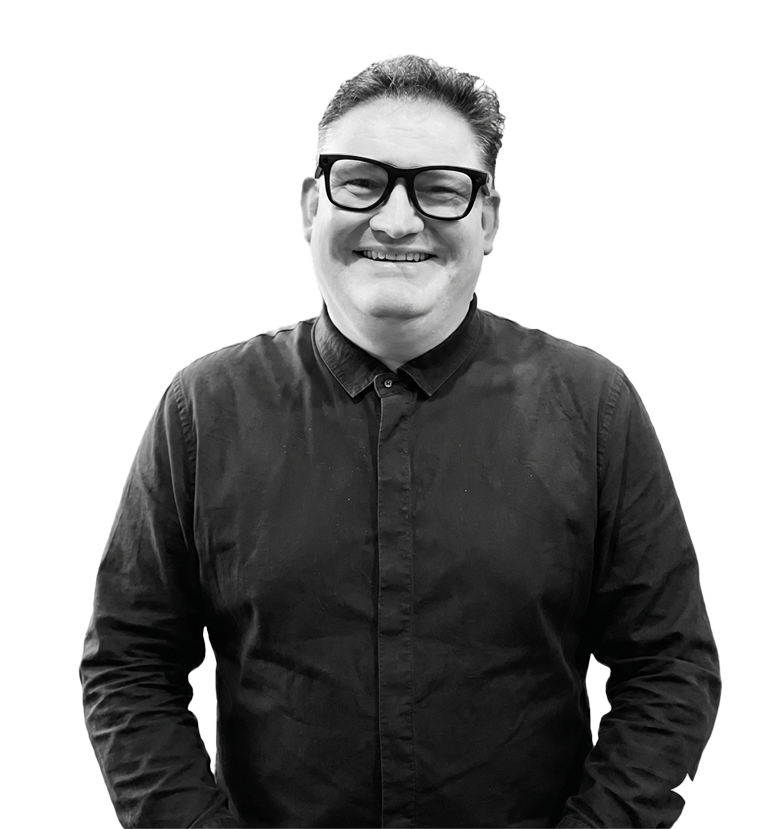
Meet Andy
Scientific precision. Commercial leadership. Practical delivery.
Andy Dobbins is a scientist, founder, technology executive and business operator who has spent much of his career working across the boundaries between organisations, technology and the way work actually gets done.
He has built and led software businesses, developed products for regulated environments, worked with operational teams and senior leaders, and advised organisations dealing with complex change.
That breadth matters because difficult problems rarely stay within one discipline. A technology issue may turn out to be a process problem. A process problem may expose a commercial, organisational or supplier issue. The value comes from being able to follow the problem wherever the evidence leads.
Andy brings an independent view, strong technical understanding and practical business experience. He is comfortable moving from strategy to operational detail, challenging assumptions and working directly with the people involved to establish what needs to happen next.
His sector experience includes water and compliance, the built environment, software and technology, and other operationally complex or regulated environments.
Cross-functional perspective
Able to move across strategy, operations, technology, process and commercial issues without losing sight of how they affect each other.
Technical and operational fluency
Comfortable working from senior leadership questions down into systems, data, workflows and operational detail when the problem requires it.
Independent challenge
Prepared to question assumptions, test the evidence and say when the proposed answer does not appear to match the problem.
Practical experience
Experience as a scientist, founder, software executive and business operator means recommendations are considered in the context of what it will actually take to make them work.
“The gap between what should happen and what actually happens is where the real work begins.”
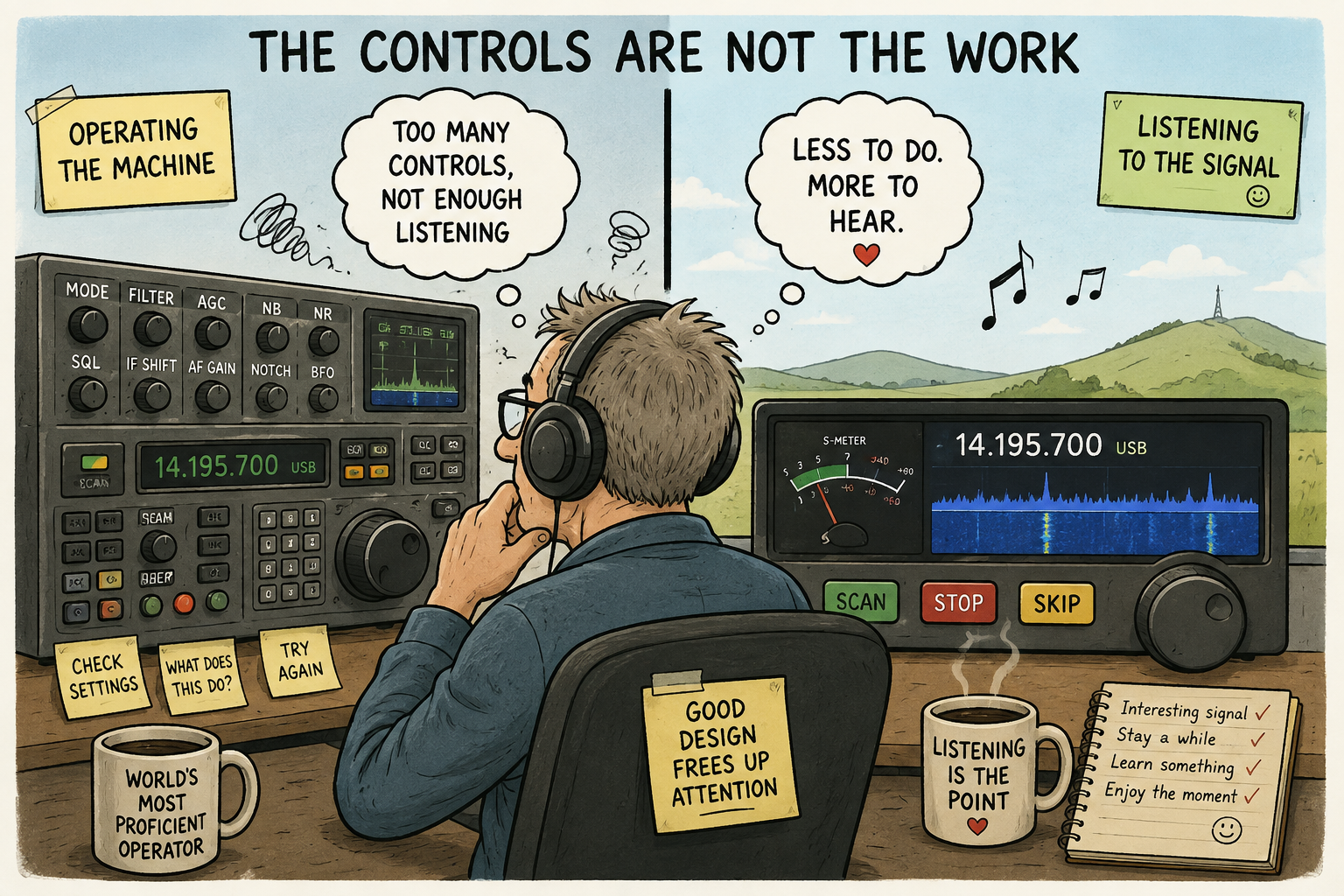
The Controls Are Not the Work
People who saw my earlier post will already know that radio has been an interest of mine for years. Through ORAC (my personal engineering laboratory), I have...

Congratulations. You’re the API.
Why good organisations end up making people do work their systems should already be doing. Perhaps unsurprisingly, I was working on ORAC, my engineering...

Chasing ghosts in complex systems
Complexity often comes not from what is new, but from what was never fully retired. Before making another change, it is worth establishing what is actually...
Not sure what the problem is yet?
That is often the point at which Dobbins Strategy is most useful.
If something important is not working as expected, a significant decision is approaching, or you want an independent view before committing more time or money, start with a conversation.
We will establish whether there is a useful role for DSL and, if there is, define the smallest sensible first step.
+44 (0)7300 486963
Start a Conversation